Mango Pudding
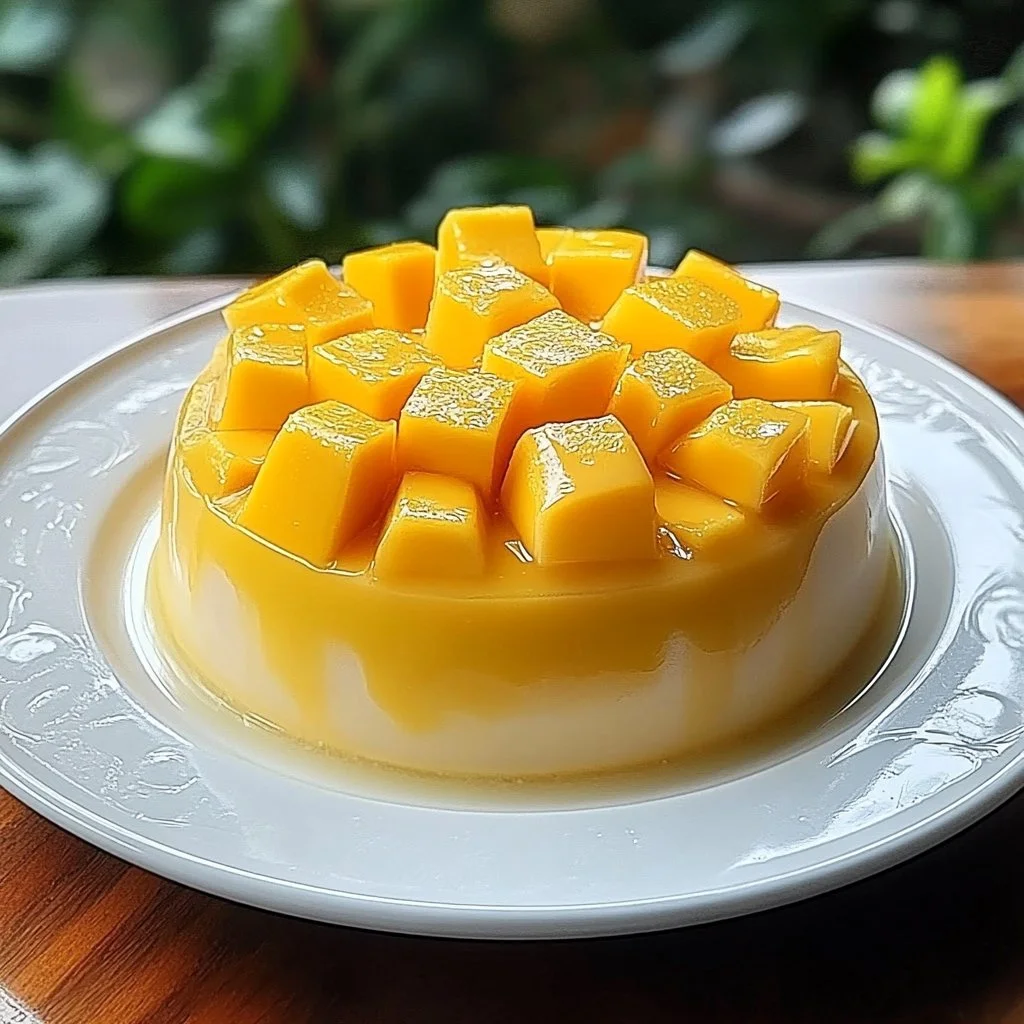
The irresistible allure of Mango Pudding unfolds in captivating hues of vibrant orange, swirling together for a dessert that feels as light as air yet is as rich in flavor as a sun-kissed afternoon. This recipe invites you to express creativity in the kitchen with its step-by-step guide, evoking delightful aromas that transport you straight to a tropical paradise. With every creamy bite, the sweet, almost fragrant essence of ripe mangoes embraces your palate, mingling harmoniously with the silky coconut milk. Whether it’s a special occasion or a simple indulgence, this dessert is bound to brighten your day and satisfy your sweet tooth.
History / Fun Fact
Mango pudding holds a cherished place in the culinary landscape of Southeast Asia, particularly in countries such as Malaysia, Thailand, and Singapore. Traditionally enjoyed in both restaurants and homes alike, this velvety dessert has evolved over time, showcasing varying styles and serving methods. Notably, it gained immense popularity in Hong Kong as part of the Western-inspired buffet culture. There, it transformed into a beloved end-of-meal treat, presenting a delightful balance of sweetness and creaminess that has won the hearts of many. Each spoonful of mango pudding tells a story of cultural fusion and beloved traditions.
Ingredients
Creating the perfect Mango Pudding requires nothing but the freshest and finest ingredients. Here’s what you will need:
- 12 oz ripe mangoes: Tender and fragrant, these golden jewels provide the essential flavor.
- 2 tbsp cold water: This will help in activating the gelatin for that perfect, silky-smooth consistency.
- 1.5 tbsp gelatin (or 1.5 tsp agar agar powder for a plant-based alternative): A crucial thickening agent that transforms your puree into a creamy delight.
- 1.5 tbsp white granulated sugar: Adds just the right amount of sweetness, enhancing the natural sugar of the mango.
- 0.54 cups full-fat coconut milk: Creamy and rich, this ingredient enriches the pudding with a tropical flair.
- 4 tbsp evaporated milk (or additional coconut milk): A luscious finishing touch to elevate the flavor profile.
Together, these ingredients will culminate in a Mango Pudding that offers not only a visual feast but also a deliciously memorable experience.
Cooking Time & Tips For Mango Pudding
When it comes to preparing luscious Mango Pudding, you have options between quick and slow preparation. A quick version can be achieved in less than an hour of hands-on time, but the longer you let it chill, the firmer and richer the pudding will be. Ideally, you should refrigerate it for at least six hours, but overnight is truly recommended for the best results.
Practical tips for success include using perfectly ripe mangoes, as their natural sweetness and smooth texture are vital for the pudding’s overall flavor. Additionally, be cautious while mixing the ingredients over low heat—high temperatures can spoil the texture of the pudding, denying you that creamy mouthfeel characteristic of a perfect Mango Pudding.
Step-by-Step Directions
-
Blend the Mango: Start by transferring your diced mango chunks into a blender or a food processor. Blend until the mango transforms into a perfectly smooth puree. For ultimate smoothness, consider straining the puree through a fine mesh sieve to remove any fibrous bits, ensuring an indulgently velvety texture.
-
Activate the Gelatin: In a small bowl, combine the cold water and gelatin. Allow them to mingle while you move to the next step, letting the gelatin bloom and thicken just a bit.
-
Heat the Mixture: In a saucepan over low heat, combine the sugar, full-fat coconut milk, and your silky mango puree. Whisk together until the mixture becomes fully smooth, allowing the comforting aroma of coconut to envelop your kitchen.
-
Dissolve the Gelatin: Slowly and carefully stir in the bloomed gelatin mixture over low heat. The goal here is to dissolve it completely, so keep the heat low—boiling the mixture could sabotage the pudding’s texture.
-
Pour into Molds: Once fully combined, pour the luscious mango mixture into individual serving bowls or molds. The anticipation will build as you watch the vibrant orange create a feast for the eyes.
-
Refrigerate: Now, place the bowls into the refrigerator for at least six hours or, optimally, overnight. The waiting game may be tough, but it’s worth it for those perfectly set puddings!
-
Serve with Love: Finally, when ready to serve, drizzle a splash of evaporated milk or additional coconut milk over each pudding for an extra indulgence that accentuates its tropical essence.
Serving Suggestions & Occasions
Mango Pudding is an incredibly versatile dessert, making it suitable for a variety of occasions. Serve it at summer barbecues, family gatherings, or even as a sweet surprise at a birthday party. A colorful fruit platter made with fresh tropical fruits can complement this dessert beautifully, bringing mild and zesty flavors to each plate.
Pair it with a refreshing mint tea, or for a more decadent experience, serve it alongside coconut macaroons or a slice of light sponge cake. Its vibrant color and creamy texture bring a touch of sunshine to any table, making it an alluring centerpiece dessert.
Common Mistakes For Mango Pudding
While making Mango Pudding seems straightforward, there are a few common pitfalls you’ll want to avoid. One mistake is not using fully ripe, sweet mangoes, which can lead to a bland pudding. Taste your mangoes before using them to ensure they’re bursting with flavor.
Another common error is overheating the mixture during the gelatin dissolution process. Be patient and keep the heat low; this will prevent the pudding from losing its creamy texture. Lastly, don’t rush the chilling process! The flavors and texture greatly improve when you allow the pudding to set properly in the refrigerator.
Healthier Alternatives & Variations
If you’re looking for healthier variations of Mango Pudding, consider substituting the granulated sugar with natural sweeteners like honey or agave syrup. For those watching their calorie intake, you can use light coconut milk instead of full-fat without sacrificing too much flavor.
For an added twist, incorporate other fruits like pineapple or bananas to the puree for a flavorful combination. Additionally, you can layer different flavors by alternating mango puree with a light layer of yogurt for a refreshing and nutritious twist.
FAQs
-
Can I use frozen mangoes for this recipe?
Yes, frozen mangoes are a great alternative. Just ensure they are thawed and drained before blending. -
Can I make this recipe vegan?
Absolutely! By using agar agar instead of gelatin and coconut milk, this dessert can easily be made completely vegan. -
How long can I store leftovers?
Mango Pudding can be stored in an airtight container in the refrigerator for up to three days. -
What if my pudding doesn’t set?
If the pudding hasn’t set properly, it could be due to under-utilizing gelatin or agar agar. You can still enjoy it as a sauce over desserts instead. -
Can I add other flavors?
Yes, consider adding a splash of lime juice or vanilla extract to the mixture for added depth of flavor. -
How can I present the mango pudding attractively?
Consider garnishing the pudding with fresh mint leaves, diced mango, or a light drizzle of honey for added aesthetics and flavor.
Conclusion
The Mango Pudding is a dessert that beautifully marries simplicity and deliciousness, and each bite can bring back vivid memories of summer days spent in the tropics. As you embark on creating this delightful treat with our step-by-step guide, your kitchen will transform into a paradise filled with the intoxicating aroma of ripe mangoes and coconut. So, roll up your sleeves and prepare to indulge in a creamy, silky delight that not only satisfies your sweet cravings but also offers a taste of cultural heritage and tradition. Don’t wait—try making this refreshing Mango Pudding today!
PrintMango Pudding
- Total Time: 480 minutes
- Yield: 4 servings 1x
- Diet: Vegetarian, Vegan (if using agar agar)
Description
A rich and creamy Mango Pudding that captures the essence of tropical flavors in every bite.
Ingredients
- 12 oz ripe mangoes
- 2 tbsp cold water
- 1.5 tbsp gelatin (or 1.5 tsp agar agar powder for a plant-based alternative)
- 1.5 tbsp white granulated sugar
- 0.54 cups full-fat coconut milk
- 4 tbsp evaporated milk (or additional coconut milk)
Instructions
- Blend the mango until smooth. Strain through a fine mesh sieve for a velvety texture.
- Activate the gelatin by combining cold water and gelatin in a small bowl.
- In a saucepan over low heat, mix sugar, coconut milk, and mango puree, whisking until smooth.
- Stir in the bloomed gelatin mixture carefully over low heat until dissolved.
- Pour the mixture into individual serving bowls or molds.
- Refrigerate for at least six hours or overnight for best results.
- Serve with a drizzle of evaporated milk or additional coconut milk.
Notes
Use perfectly ripe mangoes for best flavor. Avoid overheating to maintain pudding texture.
- Prep Time: 15 minutes
- Cook Time: 15 minutes
- Category: Dessert
- Method: Chilling
- Cuisine: Southeast Asian
Nutrition
- Serving Size: 1 serving
- Calories: 270
- Sugar: 30g
- Sodium: 60mg
- Fat: 14g
- Saturated Fat: 9g
- Unsaturated Fat: 3g
- Trans Fat: 0g
- Carbohydrates: 36g
- Fiber: 2g
- Protein: 3g
- Cholesterol: 5mg