Homemade Ciabatta Bread
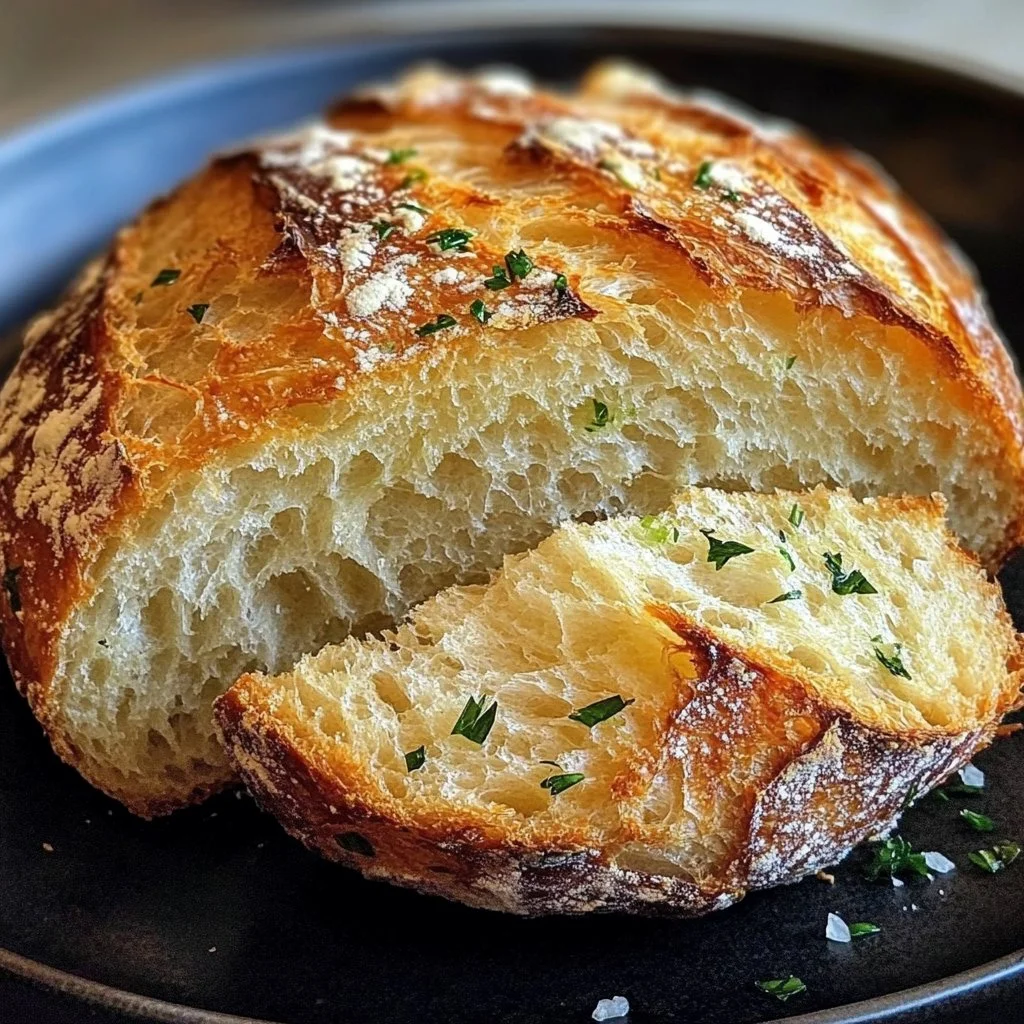
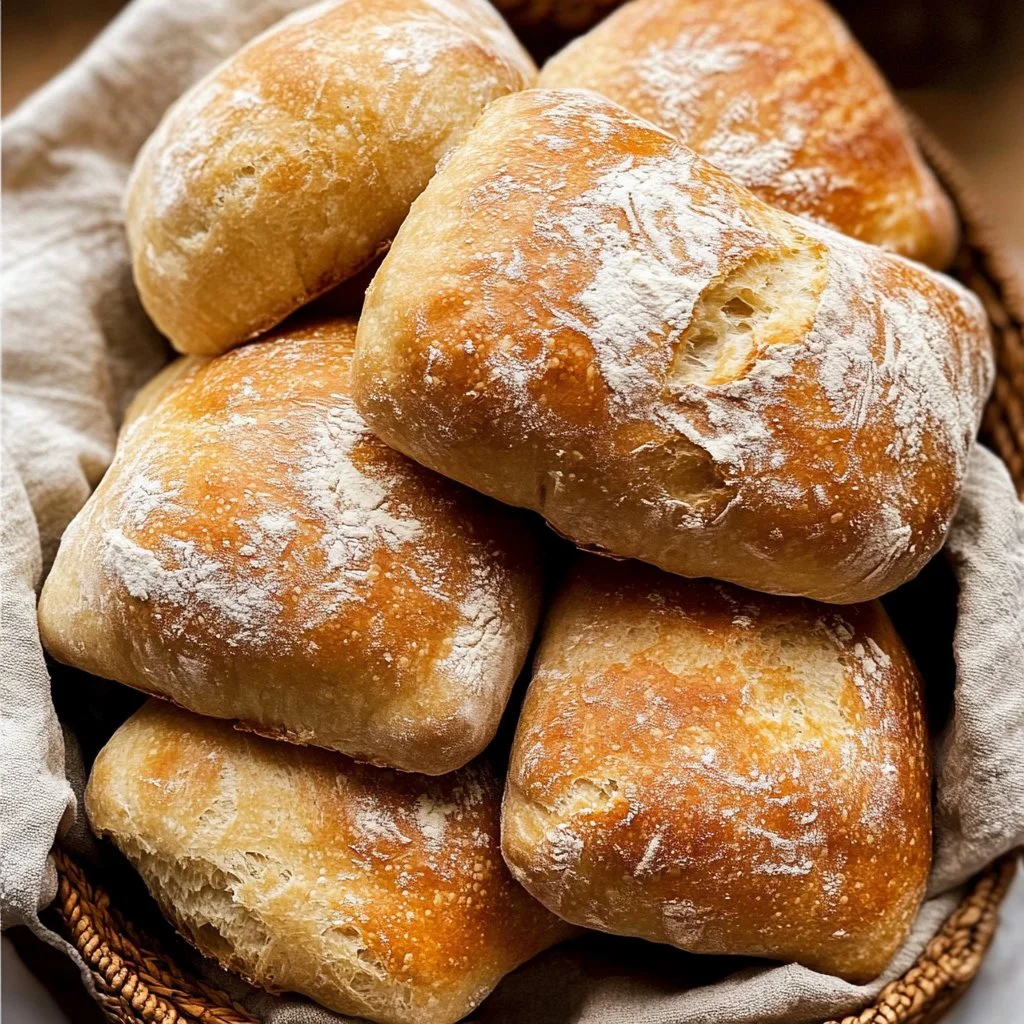
Imagine the joy of pulling a warm, crusty loaf of homemade ciabatta bread from the oven, the air filled with an intoxicating aroma that beckons you to take that first bite. The golden, blistered crust gives way to a soft, airy interior, packed with holes that just beg for a drizzle of rich olive oil or a spread of creamy butter. This homemade ciabatta bread recipe not only satisfies your cravings but also evokes nostalgia, reminding you of artisanal bakeries and family gatherings around the table.
Making ciabatta at home may seem intimidating, but with this simple step-by-step guide, you’ll discover that it’s also incredibly rewarding. Picture the satisfaction that comes from mastering the art of bread-making and serving your loved ones a warm loaf to enjoy. So let’s dig into this indulgent and delightful journey of creating ciabatta bread!
What’s Your Favorite Bread Memory?
Have you ever experienced the warmth of freshly baked bread wafting through your home? That irresistible aroma, beckoning you to gather the family for a cozy meal? Perhaps a moment from your childhood comes to mind—bread-making with grandma, or perhaps the first time you baked a loaf on your own. What if I told you that you could relive those memories by making your own homemade ciabatta?
The chewy crust, the open crumb, and the deliciously light texture—these elements make ciabatta a unique addition to any meal. So, are you ready to create delicious bread memories of your own?
Why You’ll Love This Recipe
This ciabatta bread recipe is loaded with benefits that make it a must-try for every home baker.
- Easy Prep: With minimal hands-on time, you’ll be amazed at how effortlessly you can whip this up.
- Crowd-Pleaser: Ciabatta is universally loved, making it perfect for dinner parties or family gatherings.
- Minimal Ingredients: Just a handful of ingredients come together to create a bread that tastes like it’s straight from an Italian bakery.
- Incredible Aroma: The scent of baking bread will fill your kitchen, making it hard to resist sneaking a bite even before it’s cool.
The experience of baking ciabatta bread is not just about the final product; it’s also about the thrill of anticipation as it dough rises and the delightful aromas that envelop your home.
Ingredients
To embark on this delightful ciabatta journey, gather the following ingredients:
-
For the biga:
- 1 cup (130g) bread flour
- 1/8 teaspoon active dry or instant yeast
- 1/2 cup (120ml) room temperature water
-
For the ciabatta rolls:
- 1 teaspoon (3g) active dry or instant yeast
- 1 cup (240ml) warm water
- 2 1/2 cups (325g) bread flour
- 1 1/2 teaspoons (8g) table salt
- Olive oil (as needed for greasing)
Each of these ingredients plays a vital role in creating that coveted crust and glorious texture. The combination of flour and water creates a rich dough that not only nourishes but also brings joy to every table.
Timing
This ciabatta bread recipe requires both fast and luxurious timing for a truly indulgent experience.
You will need to dedicate two days to this project which allows for a relaxed pace. The initial preparation of the biga takes only minutes, while the rest incorporates delightful waiting periods that heighten the anticipation.
The stretches and folds, though they may take some time, are simple and enjoyable. The process culminates in baking that produces golden, airy rolls worthy of celebration.
Step-by-Step
Day 1: Make the biga
In a large mixing bowl, whisk together the bread flour and the yeast for the biga. Add the room temperature water and mix it all with a silicone spatula until combined. Cover tightly with plastic wrap and let it rest at room temperature for anywhere between 8 to 24 hours.
Day 2: Prepare the dough
Uncover the biga and marvel at the bubbles that have formed. In a separate bowl, whisk together the active dry yeast and warm water. Let it sit for 5–10 minutes until the yeast is dissolved and frothy.
Next, add the biga, flour, and salt to the bowl, mixing it gently. The dough will look wet and sticky—this is a good sign!
1st Rest
Cover the bowl and let the dough rest for 30 minutes, allowing gluten to develop.
1st Stretch and Fold
After the rest, gently stretch and fold the dough in a clockwise motion. Repeat this 8 times, then let it rest for another 30 minutes.
Remaining Stretch and Folds
Continue the process of stretching and folding three more times, with rests of 30 minutes in between. After the fourth stretch, cover the bowl and refrigerate the dough for 1-24 hours.
Shape the Rolls
Once ready, flour your counter liberally. Gently scrape the dough out onto the flour-dusted surface and shape it into a rough rectangle. Cut it into 8 equal pieces for rolls or 2 larger pieces for loaves. Transfer to floured parchment paper.
Proof Before Baking
Lightly flour the tops of the rolls, cover them with a kitchen towel, and let them rest for another hour. Tranquility reigns as you anticipate the upcoming golden delights.
Preheat Oven
Preheat your oven to 450°F and position your racks. Place a flat cookie sheet on the center rack for added crunch.
Bake
To create steam, add ice cubes to a roasting pan located at the bottom of the oven. Uncover the rolls, spray them lightly with water, and transfer them to the baking sheet. Bake for 20-22 minutes until golden brown and crisp. Once baked, let them cool for at least 45 minutes before slicing and serving.
Store any leftovers in an airtight container at room temperature for up to 5 days or refrigerate them for up to a week. Enjoy the deliciousness!
Nutritional Information
While delightfully indulgent, each ciabatta roll is roughly 220 calories, making it a satisfying addition to your meals without overwhelming your caloric intake. Savoring one roll can be a sweet escape amidst the chaos of daily life!
Healthier Alternatives
If you’re looking for healthier alternatives, feel free to explore:
- Substituting whole wheat flour for a portion of the bread flour to add fiber and nutrients.
- Using low-fat yogurt in a mix of water for added moisture without the extra dairy.
- Experimenting with gluten-free flour blends, ensuring this delightful experience can be enjoyed by all.
Serving Suggestions
Homemade ciabatta bread is versatile and can shine on any dining table.
- With Creamy Soups: Pair it with your favorite creamy tomato or squash soup, allowing you to scoop up every last bite.
- As a Sandwich Base: Perfectly shaped rolls can make delightful sandwiches stuffed with charcuterie and cheese.
- Charcuterie Boards: Slice it thinly to accompany meats, olives, and artisanal jams—creating a feast for the senses.
Common Mistakes
Keep in mind some common pitfalls to ensure you get that perfect bread:
- Overbaking: Watch your rolls carefully; they can quickly turn from golden to burnt if neglected.
- Incorrect Hydration Levels: The dough should feel wet and sticky, yet manageable. Too much flour can yield tough rolls.
- Messy Workspaces: Embrace the mess but prep your area beforehand to avoid drastic clean-ups.
Storing Tips
To keep your ciabatta fresh and enjoyable:
- Freezing Portions: Place individual rolls in resealable bags and pop them in the freezer for up to two months for easy retrievability.
- Reheating Best Practices: For optimal taste, reheat in a warm oven or toaster for a couple of minutes to restore that fresh-baked feel.
Tempted to Bake It ASAP?
The sheer joy of making homemade ciabatta bread is guaranteed to change the way you think about bread forever. So why wait? Gather your ingredients and dive into this doughy adventure. The smile on your loved one’s faces when they taste your fresh, warm ciabatta will be the icing on the cake, or, in this case, the bread on the table.
FAQs
-
Can I make ciabatta without a mixer?
Yes! The dough can be mixed by hand using a silicone spatula and some elbow grease. -
What’s the best way to store ciabatta?
Store it at room temperature in an airtight container, or freeze for longer-term storage. -
Can I use all-purpose flour instead of bread flour?
While bread flour yields better results due to its higher protein content, you can substitute all-purpose flour in a pinch. -
Why did my ciabatta not rise?
Ensure your yeast is fresh and properly activated, and that your biga rested adequately for the right development. -
How can I add flavor to my ciabatta?
Feel free to incorporate herbs, cheese, or even olives into the dough for an exciting twist!
Now grab your apron, and let’s get baking! Homemade ciabatta awaits you!
Print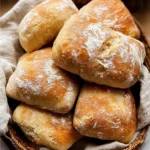
Homemade Ciabatta Bread
- Total Time: 2520 minutes
- Yield: 8 servings 1x
- Diet: Vegetarian
Description
Experience the joy of homemade ciabatta bread with its crusty exterior and soft, airy interior. Perfect for any meal or gathering.
Ingredients
- For the biga:
- 1 cup (130g) bread flour
- 1/8 teaspoon active dry or instant yeast
- 1/2 cup (120ml) room temperature water
- For the ciabatta rolls:
- 1 teaspoon (3g) active dry or instant yeast
- 1 cup (240ml) warm water
- 2 1/2 cups (325g) bread flour
- 1 1/2 teaspoons (8g) table salt
- Olive oil (as needed for greasing)
Instructions
- Day 1: Make the biga
In a large mixing bowl, whisk together the bread flour and the yeast for the biga. Add the room temperature water and mix until combined. Cover tightly with plastic wrap and let it rest for 8 to 24 hours. - Day 2: Prepare the dough
Uncover the biga and marvel at the bubbles. In a separate bowl, whisk together the active dry yeast and warm water, letting it sit for 5-10 minutes until frothy. Add the biga, flour, and salt, mixing gently. - 1st Rest
Cover the bowl and let the dough rest for 30 minutes. - 1st Stretch and Fold
Gently stretch and fold the dough in a clockwise motion. Repeat 8 times, then let it rest for another 30 minutes. - Remaining Stretch and Folds
Continue stretching and folding three more times with 30 minutes rests in between. After the fourth stretch, cover the bowl and refrigerate the dough for 1-24 hours. - Shape the Rolls
Flour your counter, scrape the dough onto the surface, and shape into a rough rectangle. Cut into 8 equal pieces and transfer to floured parchment paper. - Proof Before Baking
Lightly flour the tops of the rolls, cover with a kitchen towel, and let rest for another hour. - Preheat Oven
Preheat your oven to 450°F (232°C) and position your racks with a flat cookie sheet on the center rack. - Bake
Add ice cubes to a roasting pan at the bottom of the oven for steam. Uncover the rolls, spray lightly with water, and transfer to the baking sheet. Bake for 20-22 minutes until golden brown and crisp. Let cool for at least 45 minutes before slicing.
Notes
Store leftovers in an airtight container at room temperature for up to 5 days or refrigerate for up to a week. For longer storage, freeze individual rolls for up to two months.
- Prep Time: 15 minutes
- Cook Time: 22 minutes
- Category: Bread
- Method: Baking
- Cuisine: Italian
Nutrition
- Serving Size: 1 roll
- Calories: 220
- Sugar: 0g
- Sodium: 400mg
- Fat: 1g
- Saturated Fat: 0g
- Unsaturated Fat: 1g
- Trans Fat: 0g
- Carbohydrates: 44g
- Fiber: 2g
- Protein: 8g
- Cholesterol: 0mg